
Compact vs. Full-Sized Defibrillators: Which One Fits Your Response Team?
When equipping your emergency response team, choosing the right defibrillator can make the difference between life and death. EMT and first responders face a critical decision: should they invest in compact automated external defibrillators (AEDs) or full-sized manual defibrillators? Understanding the key differences between these lifesaving devices will help your team make the best choice for your specific needs.
Understanding the Two Types of Defibrillators
Compact defibrillators, commonly known as AEDs, are designed for ease of use by first responders with little training. These automated devices analyze heart rhythms and provide voice prompts to guide users through the defibrillation process. According to the American Heart Association, AEDs can be effectively used by anyone and are specifically built for public access situations.
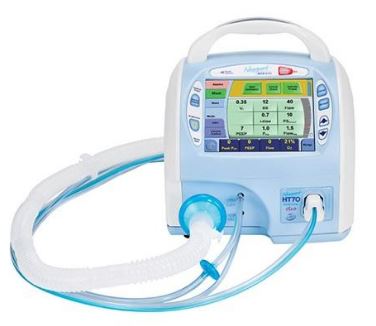
Full-sized defibrillators, also called manual defibrillators, offer advanced capabilities that require specialized training. These devices allow medical professionals to manually determine shock timing and energy levels, and provide more features like synchronized cardioversion and ECG monitoring. Coast Biomedical Equipment recognizes that many EMT services need the flexibility that full-sized units provide.
Key Advantages of Compact Defibrillators
Compact defibrillators excel in several areas that make them ideal for certain response scenarios. Their lightweight design and portability make them perfect for first responders who need to navigate tight spaces or carry equipment over long distances. The Red Cross emphasizes that AEDs have built-in safety features that prevent inappropriate shocks, making them virtually foolproof for emergencies.
These devices also offer cost-effectiveness, requiring less training while still providing reliable defibrillation capabilities.
When Full-Sized Defibrillators Are Essential
Full-sized defibrillators become crucial when advanced cardiac life support capabilities are needed. These units provide EMT professionals with complete control over energy levels, timing, and treatment protocols. Coast Biomedical Equipment often recommends full-sized units for services that regularly handle complex cardiac emergencies or pediatric cases, where precise energy adjustment is critical.
The advanced monitoring capabilities of full-sized defibrillators allow first responders to assess cardiac rhythms continuously, making them indispensable in hospital settings or advanced life support scenarios.
What Is The Right Choice For My Team?
Both compact and full-sized defibrillators serve vital roles in emergency medical care. The choice depends on your specific operational needs, training capabilities, and the types of emergencies your first responders typically encounter.
Whether you choose compact or full-sized units, the most important factor is ensuring your team has immediate access to defibrillation capabilities. According to medical research, every minute without defibrillation reduces survival chances by approximately 10%, making rapid response with appropriate equipment the ultimate priority for any emergency medical service. Contact Coast Biomed to discuss which option best suits your needs.