
How to Extend the Life of Your Defibrillator: A Preventive Maintenance Guide
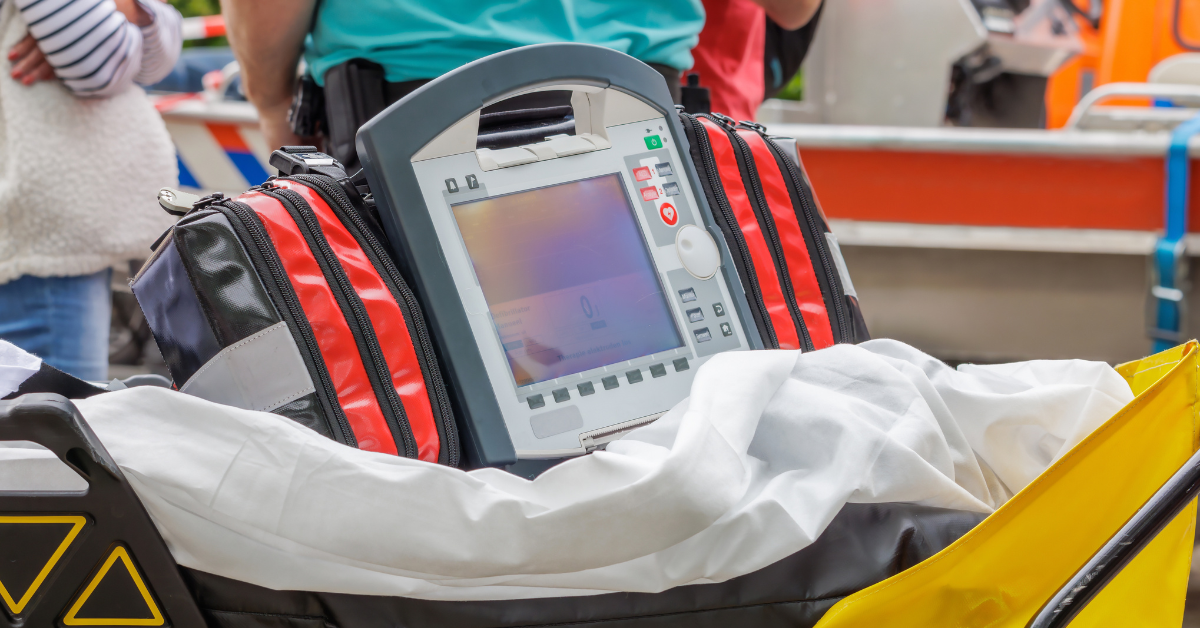
A defibrillator serves as a critical device that can save lives during sudden cardiac arrest. For EMTs and first responders, having a fully functional defibrillator at hand is non-negotiable. Regular defibrillator maintenance plays a fundamental role in guaranteeing that the device operates flawlessly when emergencies arise. Without proper upkeep, components such as batteries and electrode pads may degrade, leading to device failure at crucial moments. Taking proactive steps to maintain your defibrillator not only enhances its reliability but also extends the life of your defibrillator, reducing replacement costs and downtime. This guide outlines practical and detailed strategies to help you keep your defibrillator in peak condition, ready to perform when seconds matter most.
Conduct Thorough Visual Inspections to Detect Early Issues
Visual inspections form the foundation of effective defibrillator maintenance. Examine the device’s exterior for cracks, dents, or discoloration that might indicate damage or wear. Pay close attention to connectors, cables, and electrode pad compartments for signs of corrosion or loose fittings. Environmental exposure to dust, moisture, or extreme temperatures can deteriorate internal components, so storing the defibrillator in a clean, dry, and temperature-controlled area protects its integrity.
Monitor Battery Condition and Replace Electrode Pads Timely
The battery powers the defibrillator and directly affects its readiness. Check battery charge levels frequently, noting expiration dates and any signs of diminished performance. Replace batteries that fall below recommended charge thresholds or reach their expiration to maintain reliable power. Electrode pads also have limited shelf lives and must be replaced after expiration or following use. Using expired or damaged pads compromises the electrical impulse delivered during defibrillation, reducing effectiveness. Keeping spare batteries and pads readily available prevents delays during emergencies and contributes significantly to extending the life of your defibrillator.
Perform Routine Functional Tests and Follow Manufacturer Guidelines
Most modern defibrillators include automated self-tests that evaluate internal circuitry, battery status, and electrode pad connectivity. Running these tests regularly helps detect malfunctions early. Follow the manufacturer’s instructions for cleaning the device using approved agents, avoiding harsh chemicals that could damage sensitive electronics. Software updates often improve device algorithms and address bugs as well.
Maintain Detailed Records and Schedule Professional Maintenance
Keeping comprehensive records of all maintenance activities, including inspections, battery and pad replacements, software updates, and functional tests, helps track the device’s condition over time. Professional maintenance provides a deeper evaluation beyond routine checks, identifying hidden issues that may not be apparent during user inspections. Coast Biomedical Equipment specializes in expert defibrillator maintenance tailored for EMTs and first responders. We help extend the life of your defibrillator through precise diagnostics and repairs.
Partner with Coast Biomedical Equipment to Extend the Life of Your Defibrillator
Coast Biomedical Equipment recognizes the vital importance of dependable defibrillators for emergency responders. Our comprehensive defibrillator maintenance services focus on prolonging device lifespan and maintaining peak readiness. Reach out to Coast Biomedical Equipment today.