Top Signs Your Equipment Needs Servicing ASAP
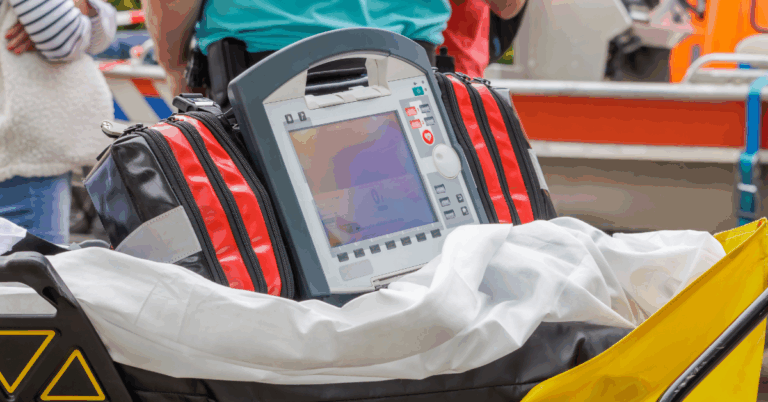
In emergency medical services, equipment reliability can mean the difference between life and death. EMTs and first responders depend on their biomedical equipment to function flawlessly during critical moments. At Coast Biomedical Equipment, we understand that recognizing early warning signs of equipment failure is crucial for maintaining the highest standards of patient care and responder safety.
Critical Warning Signs to Watch For
Power and Battery Issues: One of the most common signs your equipment needs servicing is inconsistent power performance. If your defibrillator, monitor, or ventilator shows erratic battery readings, fails to hold a charge, or powers down unexpectedly, immediate servicing is essential. According to the ENA’s Public Policy Agenda, nurses work in environments where they need reliable equipment, as “without the right equipment, these professionals are left exposed” to potential patient safety risks.
Display and Interface Problems: Flickering screens, error messages, or unresponsive touchscreens indicate internal issues that require professional attention. These signs often foreshadow system failures, making early intervention critical for EMTs and first responders who rely on accurate readings during emergencies.
System Efficiency Warning Signals
Calibration Drift: When your equipment consistently provides readings that seem off or requires frequent recalibration, it is time for professional servicing. Blood pressure monitors, pulse oximeters, and cardiac monitors must maintain precise accuracy to ensure proper patient assessment and treatment decisions.
Unusual Sounds or Vibrations: Medical equipment should operate quietly and smoothly. Strange noises, excessive vibration, or mechanical grinding sounds indicate internal wear that needs immediate attention before complete failure happens.
The NFPA 1891 Standard on Emergency Medical Operations Equipment emphasizes that properly maintained equipment is fundamental to effective emergency response capabilities.
Environmental and Physical Damage
Moisture or Contamination: Equipment exposed to blood, bodily fluids, or environmental moisture without proper cleaning and decontamination protocols may develop internal corrosion or contamination, compromising its functionality and safety.
Physical Damage: Cracked cases, loose connections, or damaged cables create both performance and safety hazards. First responders working in challenging environments must ensure their equipment remains structurally sound.
Preventive Action is Key
At Coast Biomedical Equipment, we recommend establishing regular inspection protocols to catch these warning signs early. Do not wait for complete equipment failure during an emergency call; schedule servicing at the first sign of trouble.
Coast Biomedical Equipment provides complete servicing for all major brands of emergency medical equipment. Our certified technicians understand the unique demands placed on EMT and first responder equipment, ensuring your devices remain ready when lives depend on them.